
Why we must value children’s process
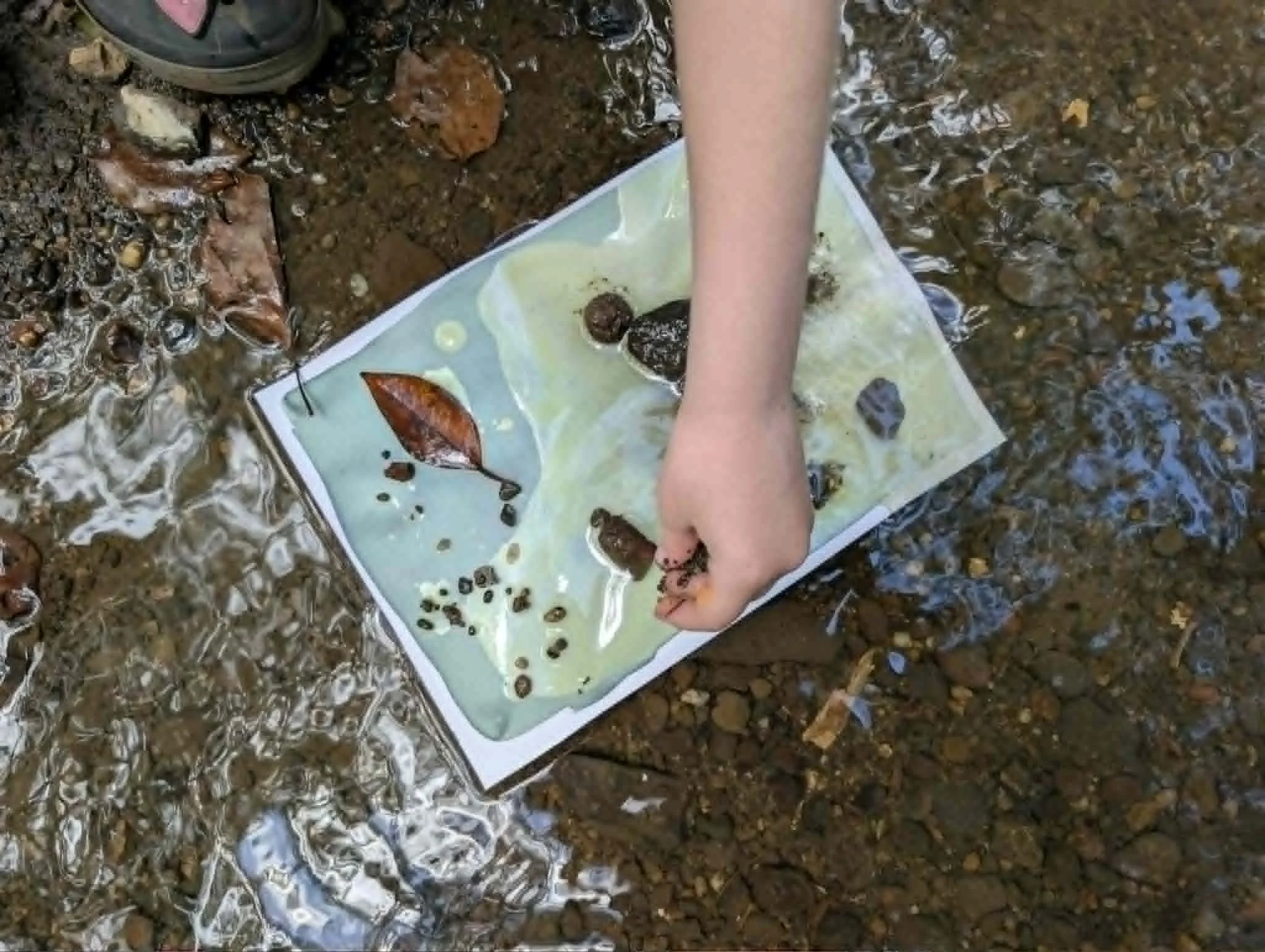
Like any of our workshops, we'll talk you through the theme for the day, what resources we have packed, and what safety guidelines we need to follow to look after each other.
But the truth is: we won't tell your kids exactly what to do with their time in the forest, and there's a really good reason for it.
Because the first step to building autonomy is being in control of your own body, your time, and most importantly, your own ideas.
When kids get opportunities to exercise this freedom, it builds a durable kind of confidence that no amount of praise can hand them.
The same goes for art.
Tell a child "draw it exactly like this" or "glue the shapes together in this specific way," and that's not self-expression.
That's not autonomy, or thinking for themselves. That's instruction in disguise as “art”.
Worse, it teaches them that if their version doesn't match, it's wrong.
Kids get enough of that everywhere else. They don't need it from us too.
When children know there's no "correct" outcome to chase, something changes in them. They stop worrying about getting it right and start experimenting with things just to see "what happens."
That's why sun-printing is such a great art process for kids.
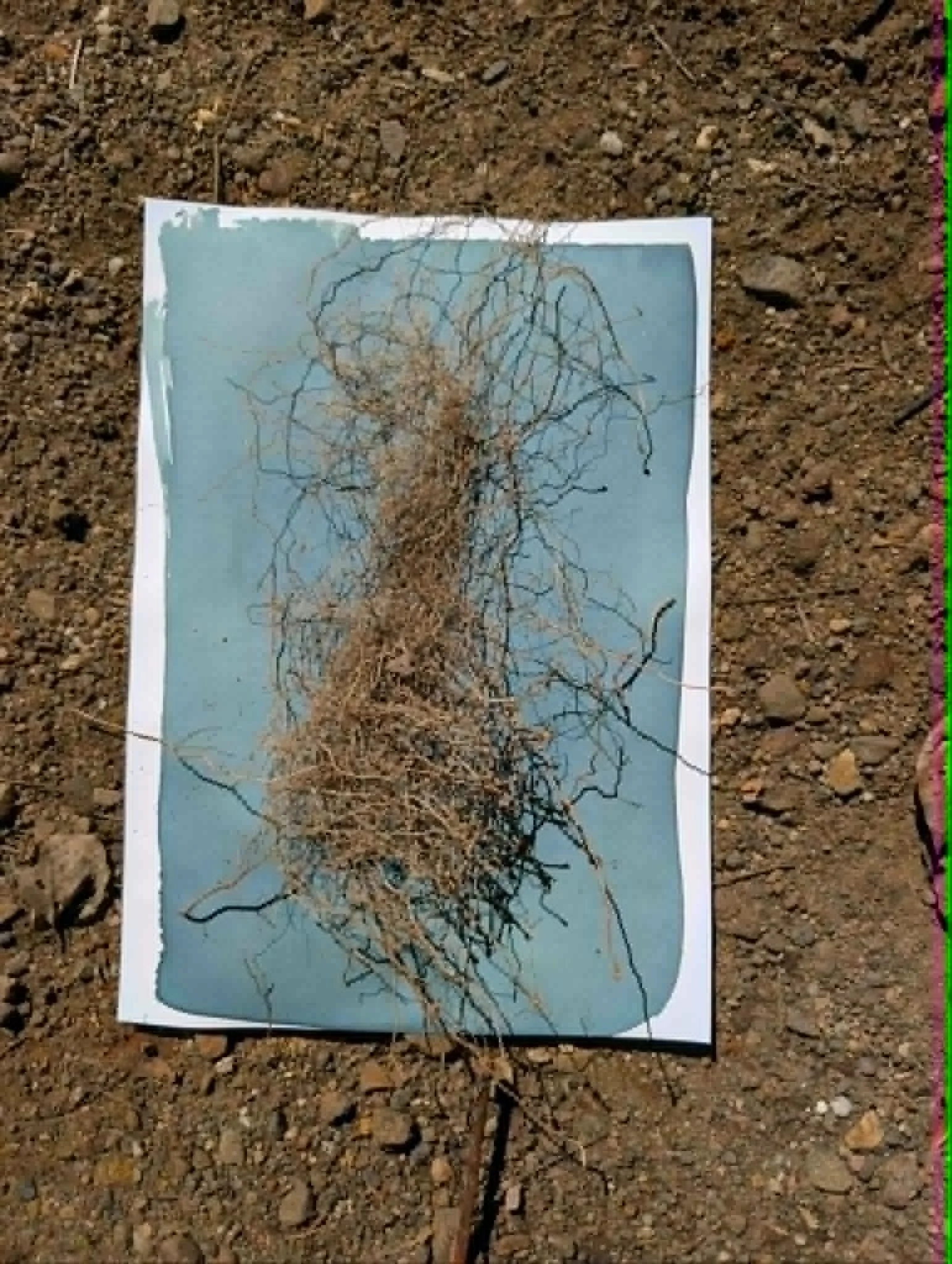
Example of sun print using the shadows of sticks, leaves, and other treasures, arranged in playful and expressive ways.
Sun printing is completely experimental, completely unpredictable, and the anticipation of waiting for your print to develop in the sun is such a wonderful, delayed gratification that we just don't really get anywhere else.
Using a special light-sensitive paper called cyanotype, originally used by botanists in the 1800s to document flowers and plants. Through the power of the sun, you can create art with the shadows of sticks, leaves, and other treasures, arranged in playful and expressive ways, and watch as it develops over time.
It's the kind of experimental art that is completely unknown and unique.
No two prints will ever look the same, and that's exactly why children love it.
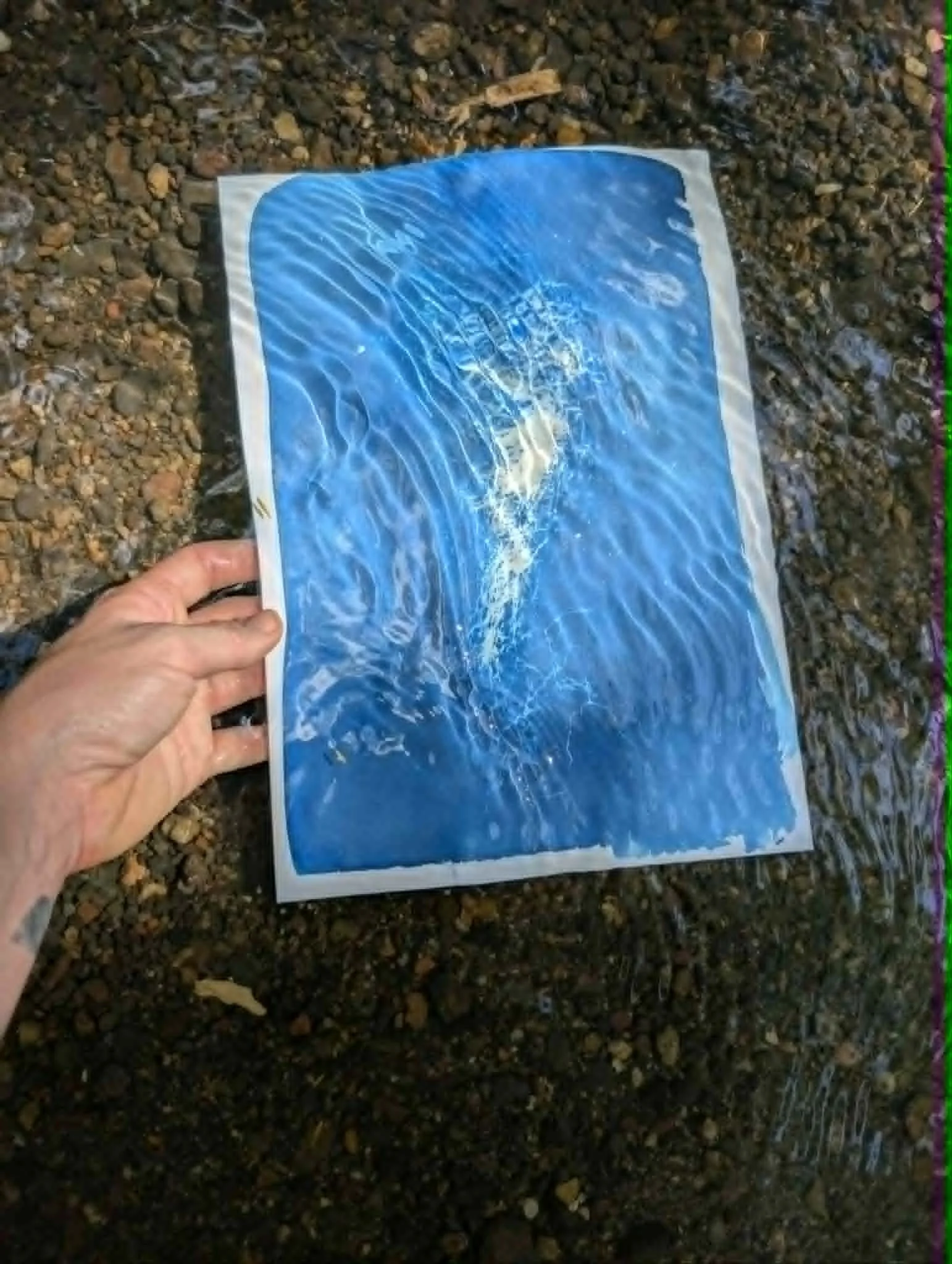
Once a sun print has finished developing, you rinse the paper with water to reveal the most beautiful, one of a kind, cobalt blue work of art.
Keen to try sun-printing at home? Cyanotype paper is easy to find online and makes for a wonderful backyard experiment with your kids.
If you'd rather leave the mess to us, come and try it the forest school way this school holidays.
Award-winning Scottish-Australian artist and play mentor Katie Harris-MacLeod will be joining us to explore the magic of sun-printing in the forest. It’s going to be so wonderful!